
These five points apply to every shipment you book with CargoDesk, whatever the goods and whatever the transport mode.
Pack for the entire transport chain, not just the first truck.
Pallets, crates and securing that match weight, size and fragility.
Wooden packaging leaving the EU must be treated and stamped.
CargoDesk does not inspect, test or approve your packaging.
Costs caused by unsuitable packaging are charged to you.
A single shipment usually passes through several hands and several types of equipment. Packaging that survives the first forklift at your warehouse may not survive the fifth.
at your site
cross-docking and consolidation
ship, truck, aircraft or train
port, airport or terminal
deconsolidation and sorting
forklift, pallet jack or tail-lift
These requirements apply to every shipment, whatever the transport mode.
Each mode puts different forces on your goods. If your shipment combines modes, pack for the most demanding one.
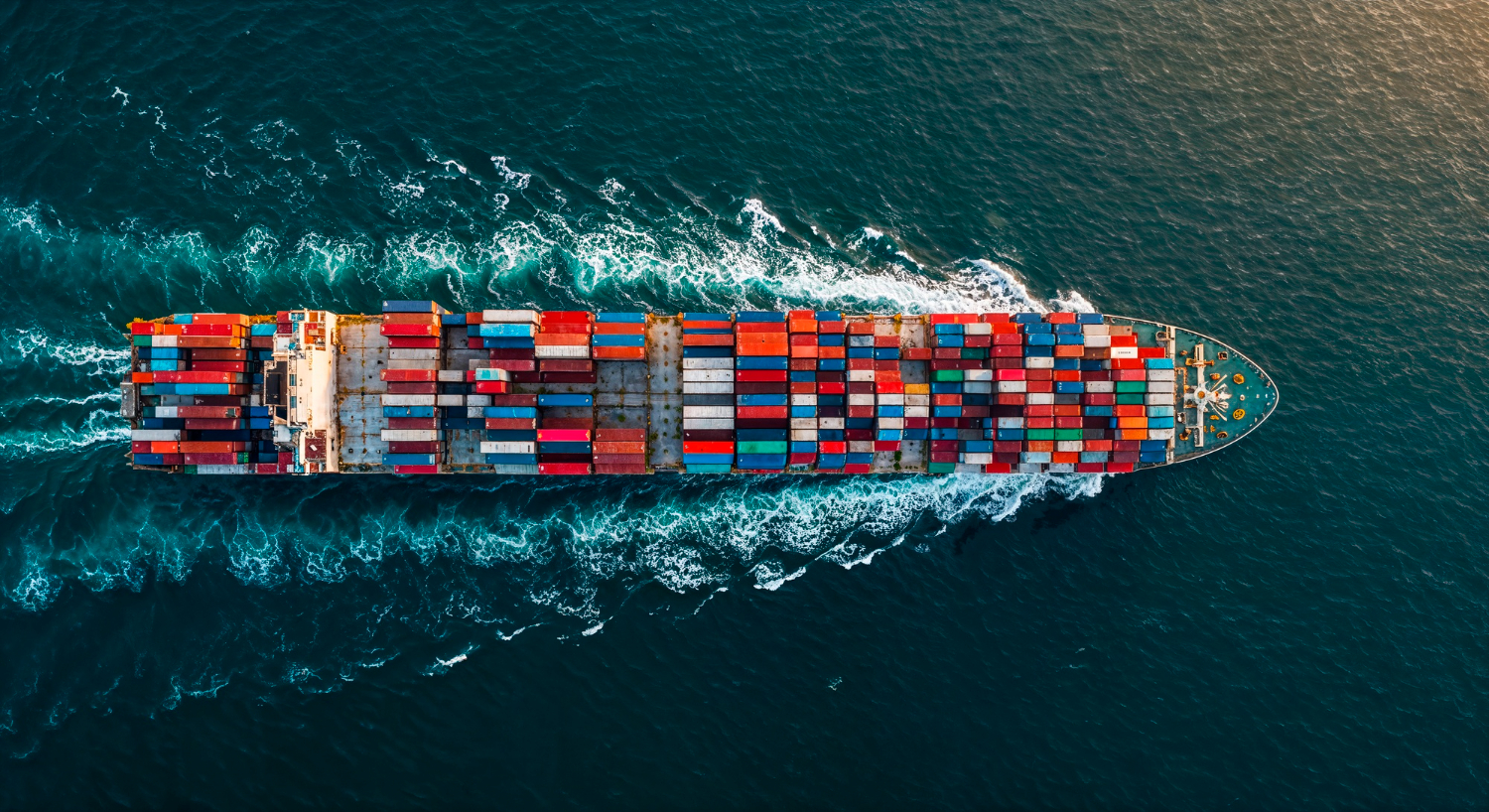
Weeks of rolling and pitching, stacking in containers, and large temperature swings that cause condensation. With LCL (groupage) your goods are handled at a container freight station and loaded next to other shippers' cargo, so they must withstand extra handling and weight from above.
Main references: CTU Code, SOLAS VGM, IMDG Code for dangerous goods.

Hard braking, sharp turns and road vibration. Loads must withstand forces of up to 0.8 g forwards and 0.5 g sideways and backwards (EN 12195-1). Final delivery often uses a tail-lift or pallet jack at a site without a loading dock.
Main references: EN 12195-1, European guidelines on cargo securing, VDI 2700, ADR for dangerous goods, NMFC for US trucking.
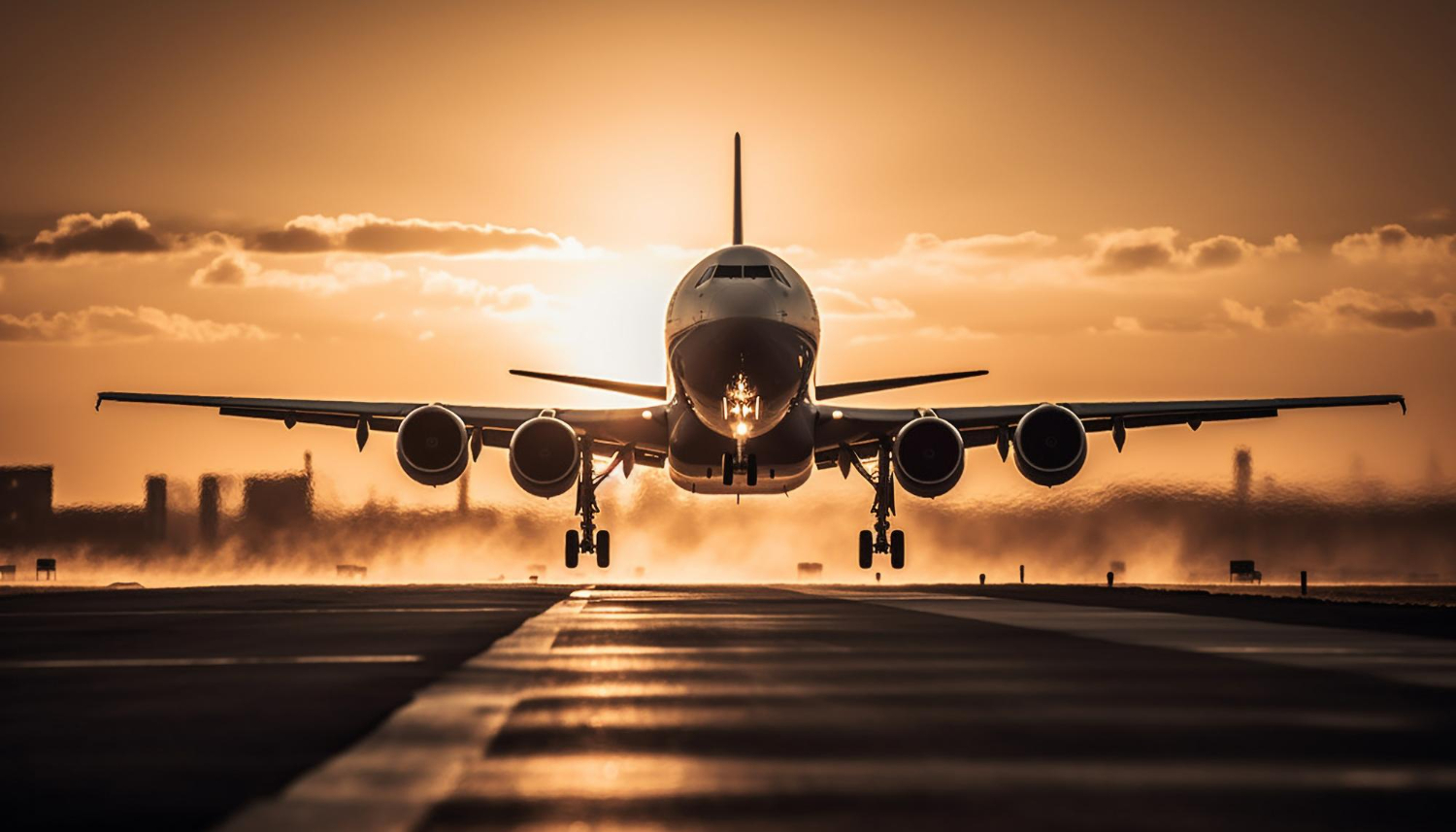
A lot of handling in a short time, loading onto aircraft pallets and containers (ULDs), pressure and temperature changes, and security screening.
Main references: IATA Cargo Handling Manual, IATA Dangerous Goods Regulations (based on ICAO Technical Instructions).
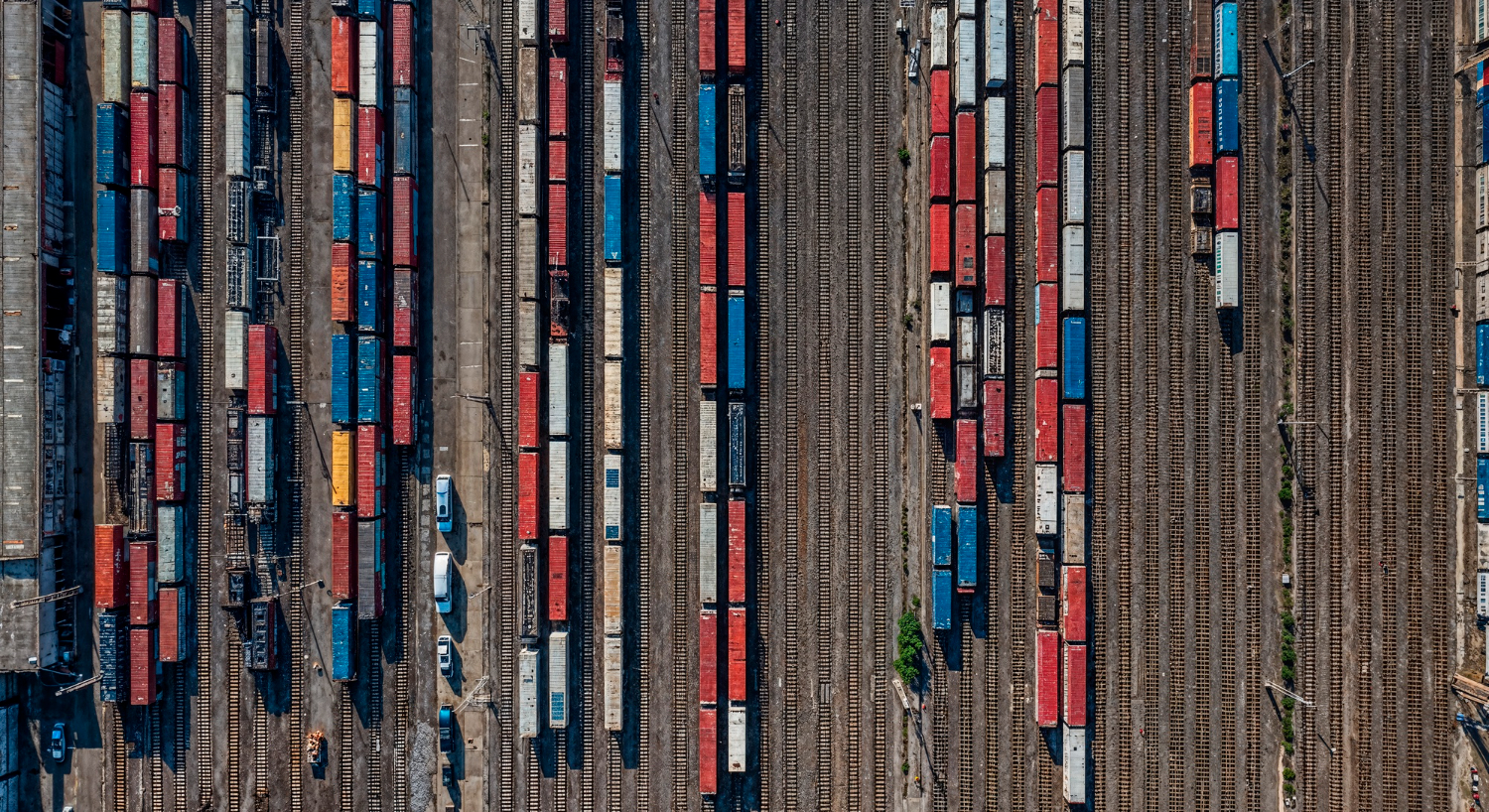
Strong impacts along the length of the train during shunting and coupling, long transit times and, on intercontinental routes, big climate differences along the way.
Main references: UIC Loading Guidelines, CTU Code, RID for dangerous goods.
Some goods fail more easily than others. Not sure whether your packaging is sufficient? Ask your packaging supplier: they know the standards for your product.
Transport glass and framed panels standing on their edge, in a frame or crate built for them (A-frame or L-frame), never lying flat on a standard pallet. Fill gaps so panels cannot move, protect corners and edges, and make sure the base is stiff enough to carry the full length without bending when lifted. Insulated glass (double or triple glazing) can bow, crack or lose its edge seal through air pressure changes during air freight or on routes over high mountain passes. If this applies to your shipment, ask your window or glass manufacturer whether the units need pressure-equalisation tubes (capillary or breather tubes), and follow their instructions for sealing them at the destination.
Anything longer than a standard pallet needs a base that runs the full length, with enough bearers to prevent sagging. Mark the lifting points.
Bolt machines to a skid or crate base, drain fluids where required, and mark the centre of gravity and lifting points. Heavy crates should be built to a recognised export packaging standard, such as the HPE guidelines.
Stack heavy cartons at the bottom, keep the stack within the pallet's footprint, add corner boards and strap the stack to the pallet. Cartons must be strong enough to carry the weight above them.
Dangerous goods must be packed, marked and declared according to the rules for each mode (IMDG, ADR, IATA DGR, RID). Always tell us before booking.
Mention this in your booking. Standard transport is not temperature-controlled, and containers can get very hot or build up condensation.
We arrange your transport through carriers, terminals, warehouses and other service providers, and coordinate the shipment from pick-up to delivery. If we or a partner notice a problem with your packaging, we will tell you where possible.
We do not inspect, test, certify or approve packaging. Accepting a quote or booking, or collecting your goods, does not mean the packaging is suitable. We are not experts on your products.
All our services are subject to our General Terms and Conditions, which include the Dutch Forwarding Conditions 2018. The most relevant articles for packaging are:
For the full technical details, these are the most widely used references. Some are free to consult, others must be purchased.
| Standard | What it covers | Published by | Modes |
|---|---|---|---|
| CTU Code | Packing and securing cargo in containers, trailers and wagons | IMO, ILO and UNECE | Sea, road, rail |
| ISPM 15 | Treatment and marking of wooden packaging | IPPC (FAO) | All |
| ISO 780 | Handling symbols on packages | ISO | All |
| HPE Packaging Guidelines | Industrial and export packaging: crates, cases, skids | HPE e.V. (Germany) | All |
| ISTA procedures / ASTM D4169 | Testing whether packaging withstands transport | ISTA / ASTM International | All |
| Incoterms 2020 (A8) | Seller's duty to package goods suitably for transport | ICC | All |
| EN 12195-1 | Load securing on road vehicles | CEN | Road |
| NMFC | Packaging rules for trucking in the United States | NMFTA | Road (US) |
| IATA Cargo Handling Manual / DGR | Air cargo handling and dangerous goods | IATA | Air |
| UIC Loading Guidelines | Loading and securing goods on rail wagons | UIC | Rail |
| IMDG / ADR / RID | Dangerous goods by sea, road and rail | IMO, UNECE, OTIF | Sea, road, rail |
This page is general guidance and does not replace these standards or the advice of a packaging specialist.
Shipping something unusual, heavy, long or fragile? Contact us before you accept the quote, so we can check the requirements of the carriers involved.